What To Do During a Dental Emergency
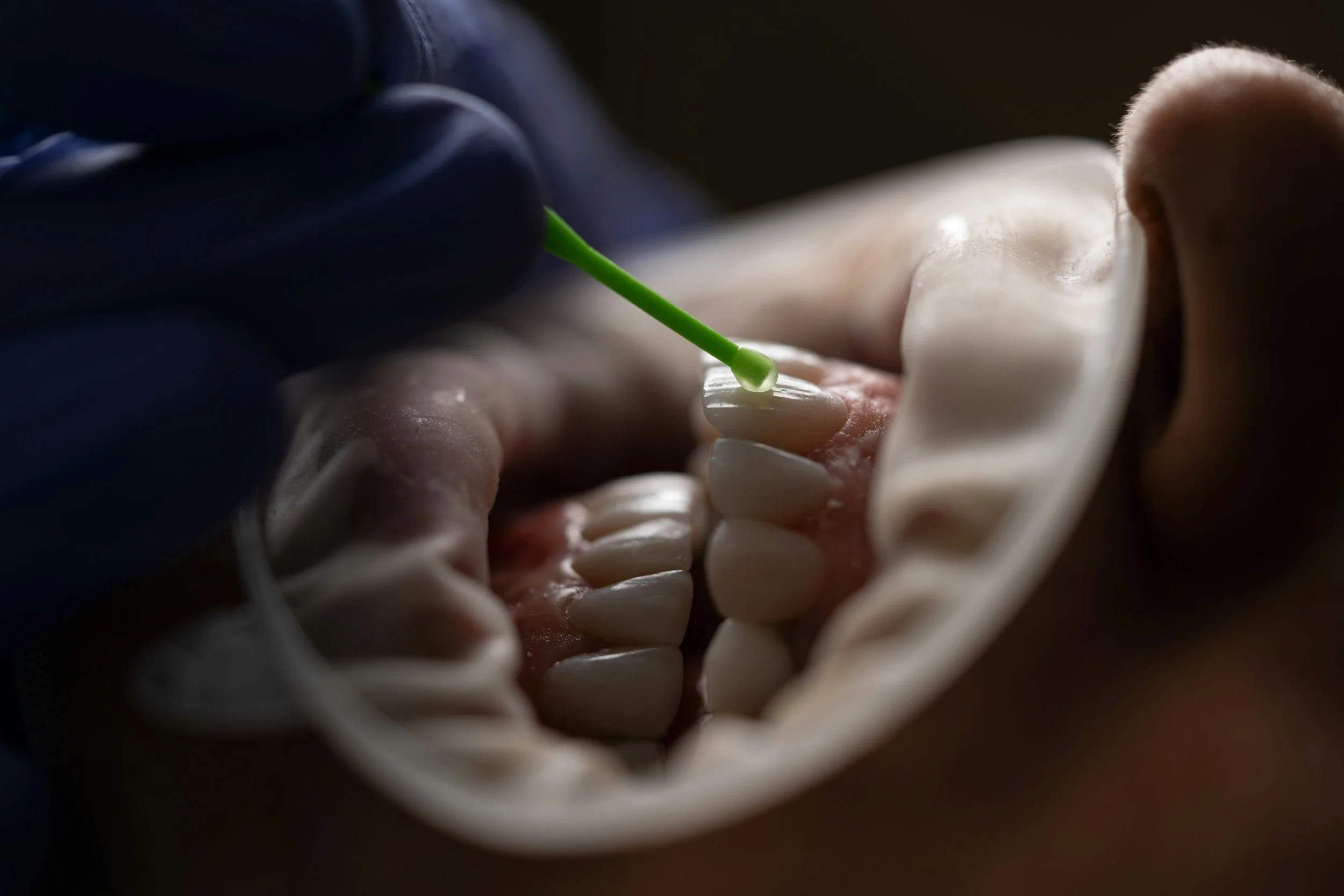
Dental emergencies can happen unexpectedly and may cause significant pain or discomfort. Knowing how to respond quickly can help protect your teeth and prevent further complications. If you experience a dental emergency, it is important to seek prompt care from a dentist in Scarsdale, NY.
At Scarsdale Family Dental Group, we provide emergency dental care for patients in Scarsdale and Westchester County, helping families receive timely treatment when urgent dental problems occur.
Common Dental Emergencies
Some of the most common dental emergencies include:
Severe tooth pain or toothache
Broken or chipped teeth
Knocked-out teeth
Lost fillings or crowns
Dental abscess or infection
Injuries to the gums or mouth
If you experience any of these issues, contacting a dental professional as soon as possible can help prevent further damage.
What To Do If a Tooth Is Knocked Out
A knocked-out tooth requires immediate attention. Follow these steps to improve the chances of saving the tooth:
Carefully pick up the tooth by the crown (avoid touching the root).
Rinse it gently with clean water if it is dirty.
If possible, place the tooth back in the socket.
If reinsertion is not possible, keep the tooth in milk or saliva.
Contact an emergency dentist immediately.
Quick action within the first hour can significantly increase the chance of saving the tooth.
Managing Tooth Pain
If you experience severe tooth pain, you can take temporary steps before seeing a dentist:
Rinse your mouth with warm salt water
Use a cold compress to reduce swelling
Take over-the-counter pain relief if needed
Avoid chewing on the affected side
However, persistent tooth pain often indicates an underlying dental problem that requires professional treatment.
When To See an Emergency Dentist
You should seek immediate dental care if you experience:
Severe pain or swelling
Bleeding that does not stop
A knocked-out or loose tooth
Signs of infection such as fever or swelling
Prompt treatment from a dental professional can help prevent complications and restore your oral health.